
Dry eye disease is rarely just about the tears. At Round Rock Eyes, we treat the root cause, whether that is eyelid inflammation, blocked oil glands, or skin conditions around the eye. With over 25 years serving Round Rock and the surrounding Austin area, our doctors use advanced in-office therapies and take-home treatments to provide lasting relief for patients throughout Round Rock, Cedar Park, Georgetown, and Pflugerville.
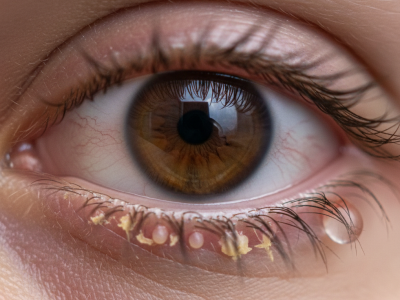
Dry eye disease (DED) is a chronic condition in which the eyes do not produce enough tears, or the tears evaporate too quickly, leaving the surface of the eye exposed and irritated. Symptoms include burning, stinging, redness, light sensitivity, blurred vision, and the sensation of grit or sand in the eye.
In most cases, the root cause is meibomian gland dysfunction (MGD), a condition in which the oil-producing glands along the eyelid margins become blocked, disrupting the protective lipid layer of the tear film. This is why simply using artificial tears often provides only temporary relief. Lasting improvement requires treating the glands themselves.
Dry eye is also closely connected to eyelid health and the skin around the eye. Conditions like blepharitis, demodex, and rosacea can all drive or worsen dry eye symptoms, which is why our treatment approach goes beyond the tear film to address the lids and periorbital area as well.
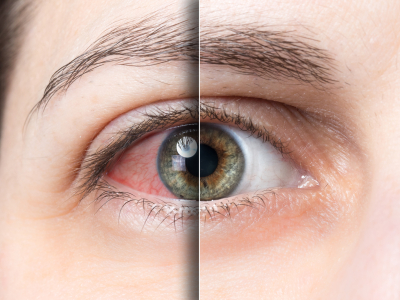
Accurate diagnosis is the foundation of effective treatment. No two patients present the same way which is why we invest in comprehensive testing before recommending any course of action.
Tools we use to evaluate dry eye disease include:
Based on these findings, our doctors build a personalized treatment plan targeting the specific cause of your dry eye.
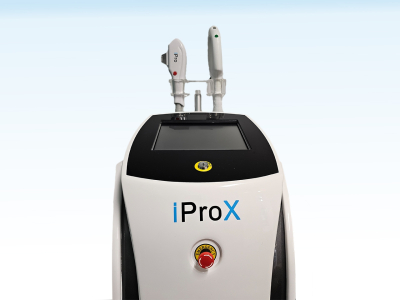
IPL therapy is one of the most effective in-office treatments available for chronic dry eye and meibomian gland dysfunction. Originally used by dermatologists to treat rosacea and vascular skin conditions, IPL has been refined specifically for dry eye care, and many patients experience significant, lasting relief.
At Round Rock Eyes, we use the iProX System by MDelite, one of the highest-performing IPL devices available. The iProX combines intense pulsed light with radio frequency technology to maximize results and patient comfort.
During treatment, polychromatic light pulses are applied to the periorbital area and cheekbones. This reduces the abnormal blood vessels that carry inflammation to the ocular surface, stimulates the meibomian glands to produce more oil, and improves the lipid layer of the tear film, reducing tear evaporation and relieving dry eye symptoms.
IPL is also beneficial for patients with facial rosacea, which is closely linked to ocular rosacea and dry eye disease.
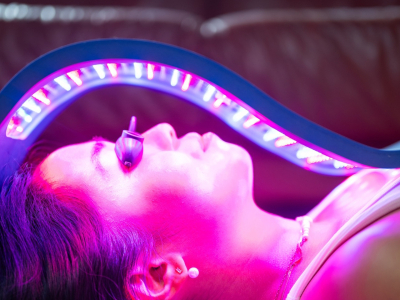
Low-level light therapy (LLLT) uses targeted LED light at specific wavelengths to stimulate cellular repair and reduce inflammation in the eyelid glands. At Round Rock Eyes, we use the Celluma device to deliver this treatment safely and comfortably in-office.
LLLT works through a process called photobiomodulation. The LED light triggers ATP production in the cells, which stimulates the meibomian glands to produce more healthy meibum (oil). This stabilizes the lipid layer of the tear film and reduces both the signs and symptoms of dry eye disease.
LLLT is often used in combination with IPL therapy or eyelid cleaning treatments for enhanced results, and it is well tolerated by patients of all ages.
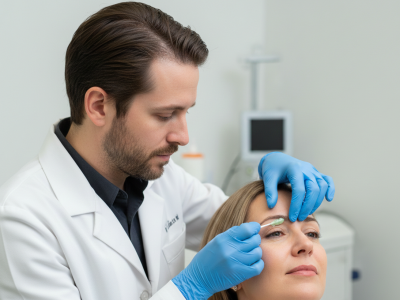
Eyelid hygiene is a cornerstone of dry eye treatment, particularly for patients with blepharitis, demodex, or significant lid margin buildup. At Round Rock Eyes, we offer both in-office and at-home options to keep the eyelids clean and healthy.
ZEST (Zocular Eyelid System Treatment) is an in-office deep cleaning procedure that uses a gentle, okra-based gel to remove biofilm, debris, and demodex from the eyelid margins. The treatment takes only a few minutes and provides immediate improvement in lid hygiene, which in turn improves the function of the meibomian glands and reduces inflammation.
For ongoing maintenance at home, we carry Zocular eyelid cleansing foam, a once-daily cleanser that patients can use between in-office visits to keep the lids clear and reduce symptom flare-ups.
Together, ZEST and Zocular create a complete lid hygiene program, with in-office deep cleaning supported by consistent at-home maintenance.
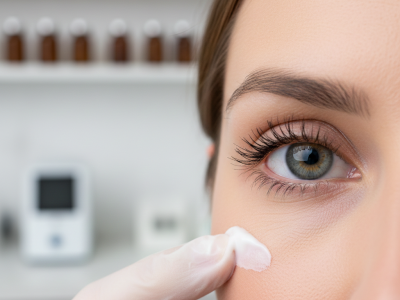
The skin around the eyes is uniquely sensitive and plays an important role in overall lid and ocular surface health. For patients with eyelid skin conditions that contribute to or complicate their dry eye, our doctors may prescribe customized compounded topical creams formulated specifically for the periorbital area.
These prescription preparations are compounded to order based on each patient's individual needs, allowing for precise ingredient selection and concentration. They are an option for patients whose dry eye or eyelid symptoms have not responded fully to other treatments, or for those with concurrent skin conditions around the eye.
Our doctors will discuss whether compounded topical therapy is appropriate during your dry eye consultation.
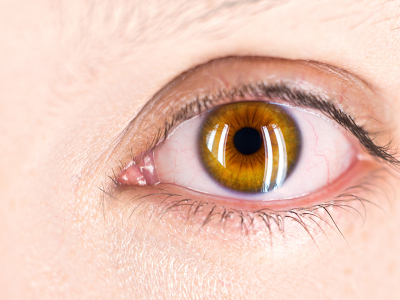
In addition to our advanced in-office therapies, we offer a full range of supplementary treatments to support long-term dry eye management. Depending on your diagnosis, our doctors may recommend one or more of the following:
Every treatment plan at Round Rock Eyes is built around your specific diagnosis. Our goal is not to manage symptoms indefinitely. It is to identify and treat the cause.
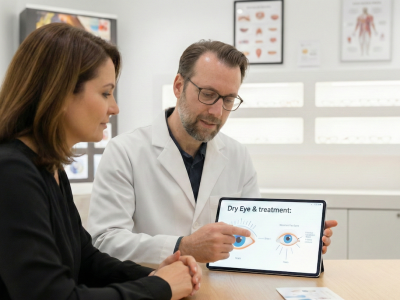
Your first dry eye visit at Round Rock Eyes is a dedicated consultation, not a standard eye exam. Plan for a longer appointment, typically an hour or more, so our doctors have time to do a thorough evaluation.
We will start with a symptom questionnaire to understand how dry eye is affecting your daily life. From there, we run a series of diagnostic tests to measure tear production, assess gland function, and check for ocular surface inflammation. In most cases this includes meibography, which allows us to view the structure of your meibomian glands directly.
Once we have a clear picture of what is driving your symptoms, we will walk you through our findings and discuss which treatments make the most sense for your situation. Most patients leave the first visit with a diagnosis, a treatment plan, and a clear understanding of what comes next.
What is the difference between dry eye disease and dry eye syndrome?
The terms are used interchangeably and describe the same condition. Dry eye disease (DED) is the more current clinical terminology, but patients and doctors often use both. At Round Rock Eyes, we treat all forms of chronic dry eye regardless of how it is labeled.
Why do my eyes water if I have dry eye?
This is one of the most common questions we hear. When the eye surface becomes too dry and irritated, the brain triggers reflex tearing as a protective response. These reflex tears are mostly water and do not contain the oils needed to stabilize the tear film, so they overflow without actually solving the problem. Watery eyes are frequently a sign of dry eye disease, not a sign that you are producing enough tears.
Is IPL treatment painful?
Most patients find IPL treatment comfortable. The iProX system we use is designed specifically for periorbital treatments, and the radio frequency component allows for effective treatment with less discomfort than older IPL systems. Patients typically describe a warm sensation during treatment. There is no downtime afterward.
How many IPL sessions will I need?
Most patients see meaningful improvement after a series of three to four sessions, typically spaced three to four weeks apart. Maintenance sessions every six to twelve months are often recommended to sustain results. Your doctor will outline a personalized treatment schedule based on the severity of your condition.
Can dry eye be cured?
Dry eye disease is a chronic condition, which means it is typically managed rather than cured. However, many patients achieve significant, long-lasting relief with the right combination of treatments. The goal of our program is to identify the root cause of your dry eye, treat it directly, and put a maintenance plan in place so that symptoms stay under control.
Is dry eye treatment covered by insurance?
Coverage depends on your specific plan and the treatments involved. Diagnostic testing and prescription medications are often covered under medical insurance. In-office procedures like IPL and LLLT are typically not covered by standard vision plans but may qualify under medical insurance depending on your diagnosis. We recommend calling your insurer ahead of your appointment, and our team is happy to help you work through coverage questions.
Do you treat patients from outside Round Rock?
Yes. We regularly see patients from Cedar Park, Georgetown, Pflugerville, Hutto, and the greater North Austin area. If you have been searching for a dry eye doctor near you, Round Rock Eyes is located at 481 Sundance Pkwy in the La Frontera Shopping Center, Round Rock, TX 78681. Call us at 512-255-9995 or schedule a consultation online.
